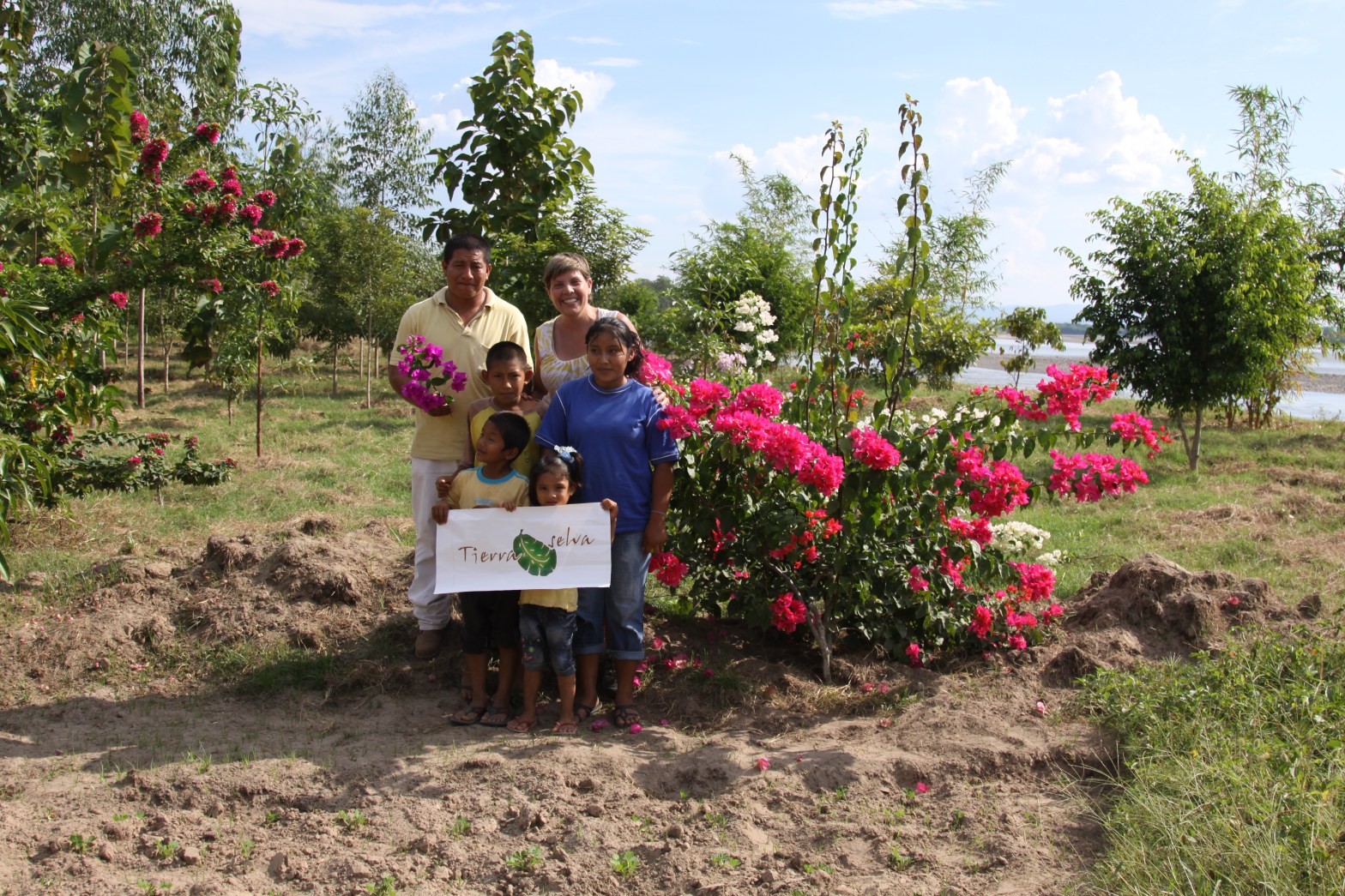
2009 – In the heart of Peru’s lush rainforest, nestled in the Bajo Biavo region, a remarkable initiative is taking root – a jungle plant and tree nursery. This nursery serves as a vital hub for cultivating and preserving the endemic plant species that are intrinsic to the delicate balance of the rainforest ecosystem. Amidst the challenges posed by climate change, this endeavor holds immense significance in fostering biodiversity, restoring degraded areas, and mitigating the impacts of global warming.
The tierra selva nursery focuses on nurturing a diverse array of endemic plant species found in the region. These plants, unique to the rainforest, have evolved over centuries to thrive in the specific conditions of the Amazon basin. By growing and conserving these species, the nursery plays a vital role in preserving the rich biodiversity of the area, as well as protecting the traditional knowledge associated with their uses and medicinal properties.
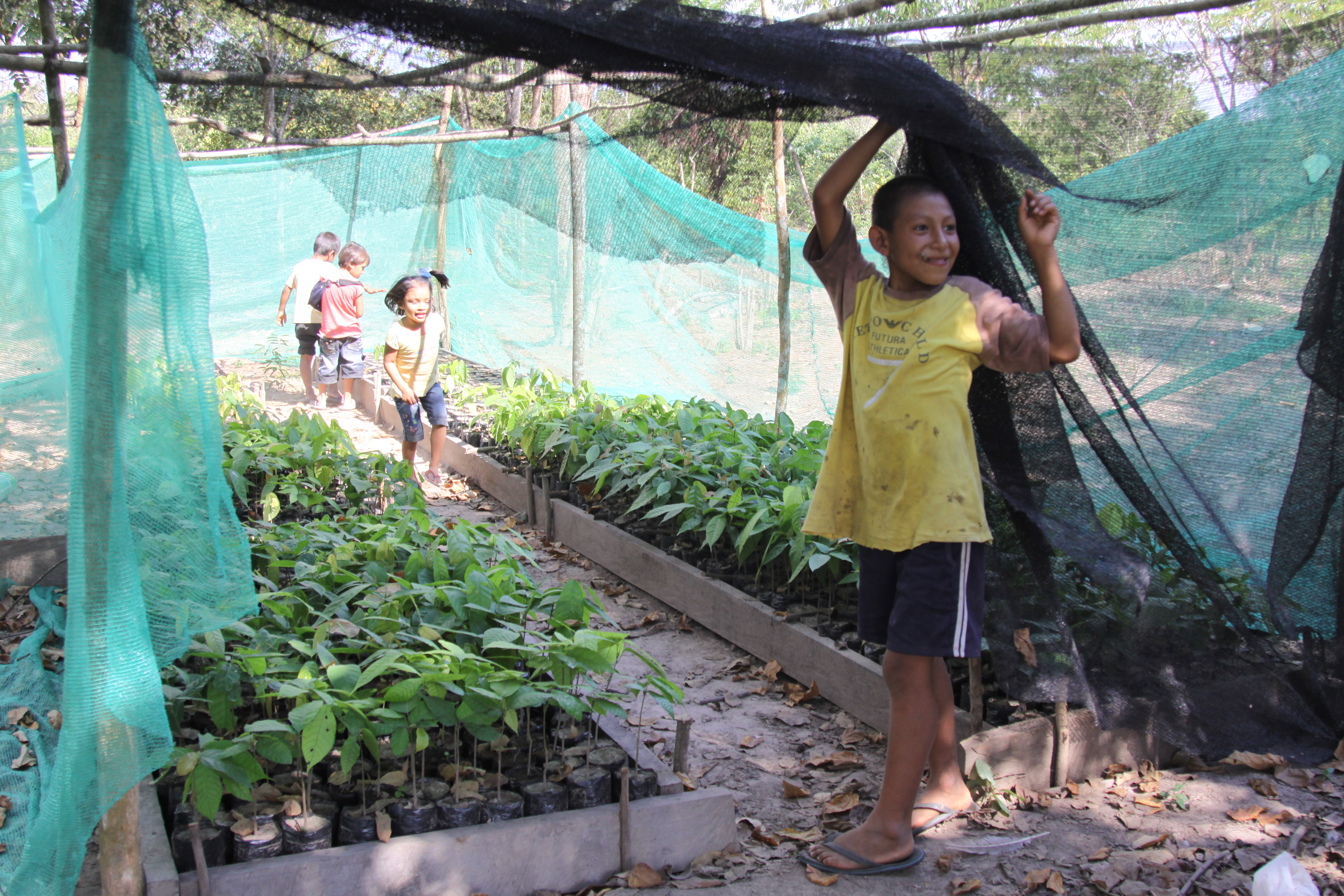

The importance of planting these trees and plants cannot be overstated, particularly in the context of climate change. The rainforest acts as a crucial carbon sink, absorbing vast amounts of carbon dioxide and releasing oxygen, thus helping to regulate global climate patterns. However, deforestation and human activities have disrupted this delicate balance, leading to increased greenhouse gas emissions and loss of biodiversity.
The jungle plant and tree nursery in Bajo Biavo is an essential step towards restoring and regenerating the rainforest. By cultivating and planting endemic species, the nursery helps to replenish areas affected by deforestation and land degradation. These trees serve as a bulwark against climate change by sequestering carbon from the atmosphere, reducing soil erosion, and providing habitat for countless species of flora and fauna.
Moreover, these trees play a vital role in maintaining the hydrological cycle of the rainforest. They contribute to regulating rainfall patterns, reducing the risk of droughts and floods, and sustaining the overall health of the ecosystem. The restoration of degraded areas through the planting of endemic species also helps to safeguard watersheds and preserve water quality, benefiting local communities who rely on these resources for their livelihoods.
In conclusion, the jungle plant and tree nursery in Bajo Biavo, Peru’s rainforest, stands as a beacon of hope in the face of climate change. By cultivating and planting endemic species, the nursery not only contributes to the preservation of biodiversity but also plays a significant role in mitigating the impacts of global warming. Through reforestation efforts, the nursery helps restore degraded areas, sequester carbon, regulate the hydrological cycle, and provide habitat for a multitude of species. This initiative exemplifies the importance of local action and community-driven efforts in safeguarding our planet’s invaluable ecosystems.
 tierraselva