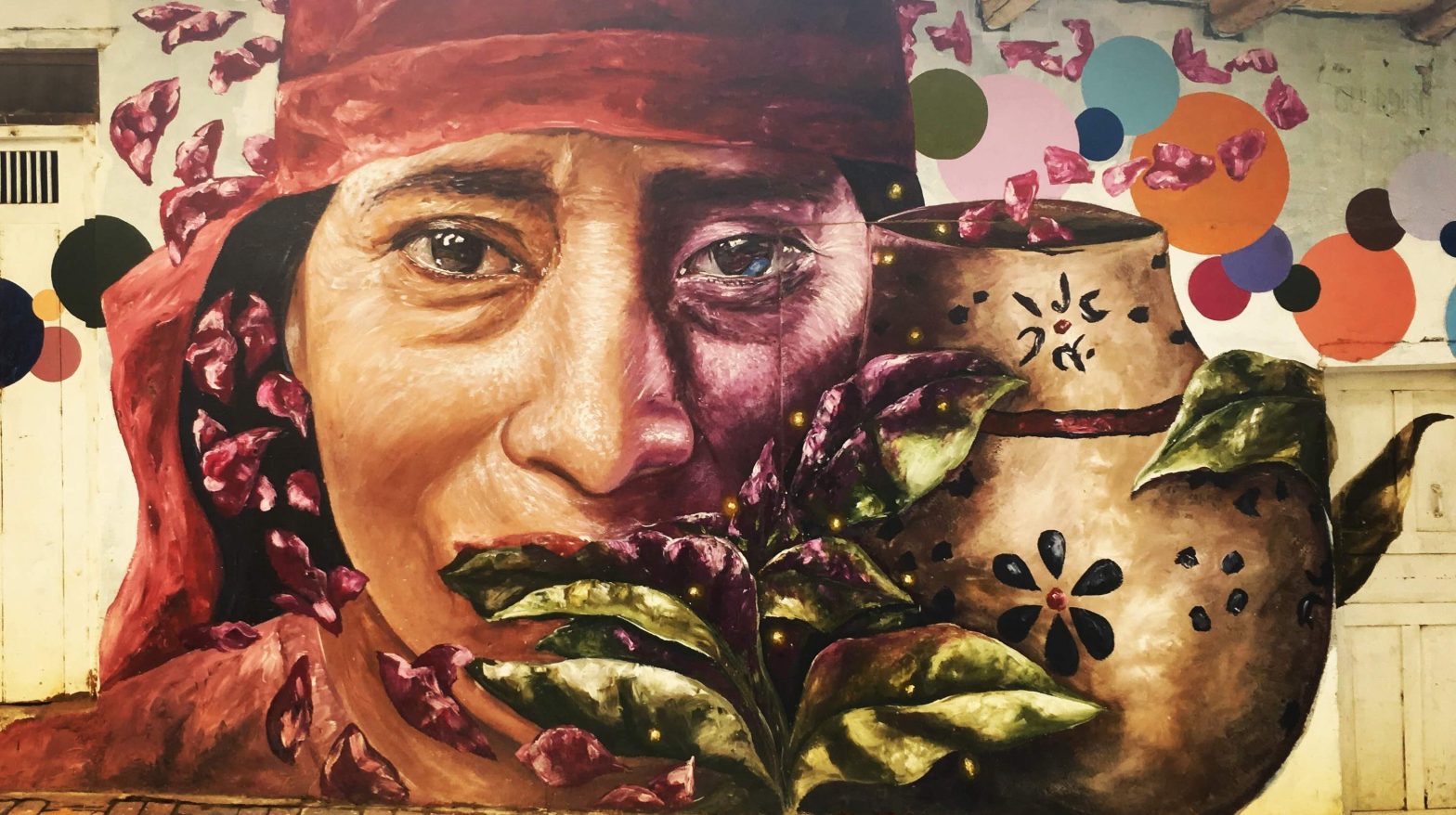
Department of San Martin
The department of San Martin in Peru is a region of vibrant diversity, captivating landscapes, and a growing economy. Situated in the northeastern part of the country, San Martin is known for its lush rainforests, majestic mountains, and fertile valleys. The department is home to a mix of indigenous communities, mestizo populations, and settlers from different parts of Peru, contributing to its multicultural fabric.
San Martin’s economy is largely driven by agriculture, with a focus on crops such as coffee, cacao, palm oil, and citrus fruits. The region’s favorable climate and fertile soil make it an ideal location for these agricultural activities. The department has made significant strides in recent years to promote sustainable farming practices and improve productivity, leading to increased income for farmers and the expansion of agricultural exports.
In addition to agriculture, San Martin is also experiencing growth in other sectors, including tourism and hydrocarbon extraction. The department’s natural beauty, including the stunning waterfalls of Ahuashiyacu and the vast biodiversity of the Cordillera Escalera, attracts visitors from around the world. Tourism infrastructure and services are gradually developing, providing employment opportunities and economic benefits to local communities.
San Martin is also home to oil and gas reserves, which have contributed to its economic development. The extraction and refining of hydrocarbons have brought investment and job opportunities to the region. However, it is important to balance economic growth with environmental preservation, as the department’s rich biodiversity and fragile ecosystems need to be protected for future generations.
Despite the progress, San Martin still faces socioeconomic challenges. Poverty rates remain significant, particularly in rural areas, where access to basic services such as education and healthcare can be limited. The government, NGOs, and local communities are working together to address these issues through social programs, infrastructure development, and initiatives that aim to empower marginalized populations.
Overall, the department of San Martin in Peru is a land of vast natural beauty, cultural diversity, and economic potential. With its agricultural productivity, emerging tourism sector, and natural resources, the department is striving to improve the quality of life for its residents while preserving its unique heritage and environmental treasures.


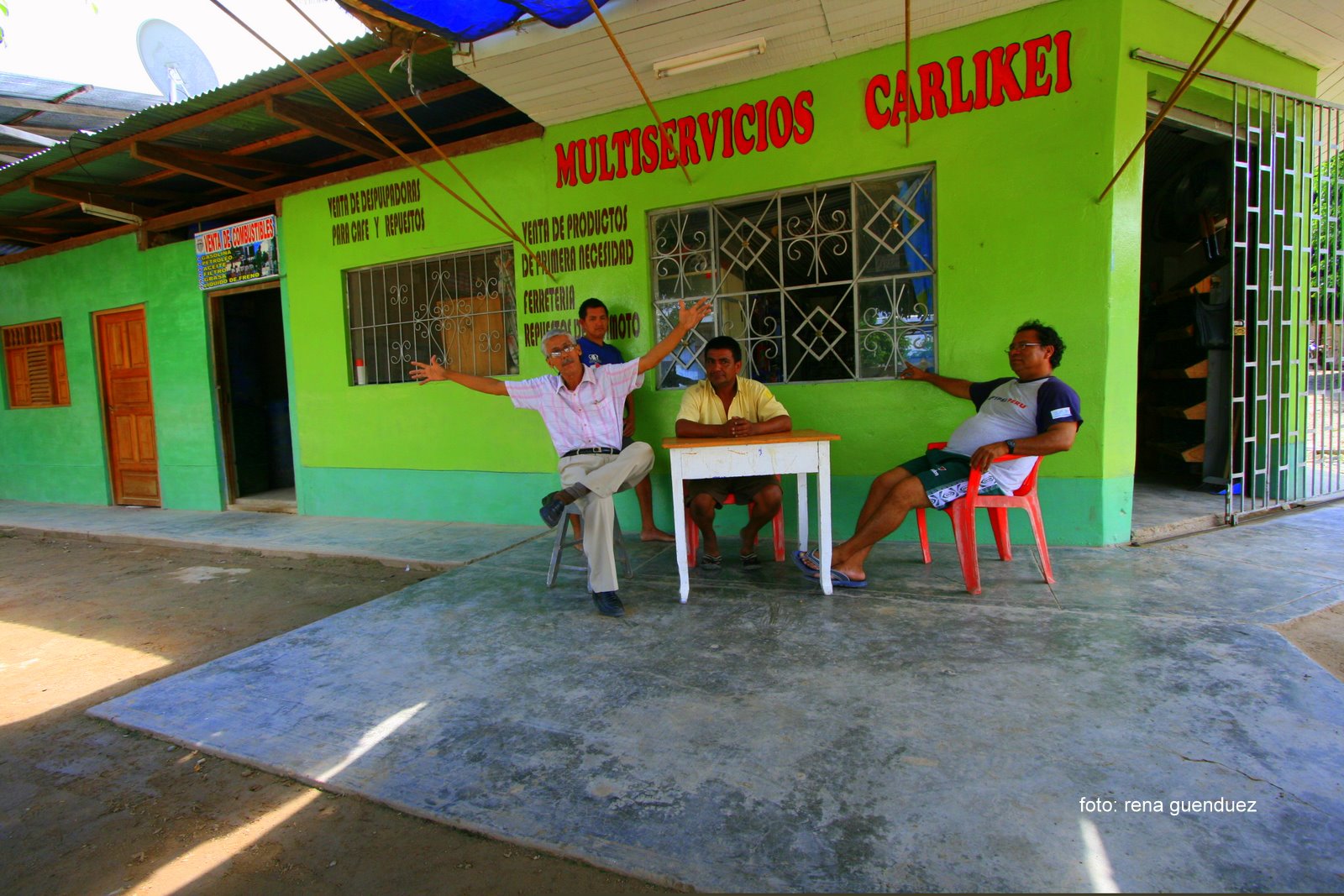
Lamas, Provincia de Lamas
Lamas is a province located in the San Martín Region of Peru. The province is characterized by its unique blend of cultural heritage, natural beauty, and diverse socioeconomic conditions. Lamas is home to a predominantly indigenous population, with a significant presence of Quechua and Awajún communities, which have contributed to the province’s rich cultural tapestry.
Socioeconomically, Lamas faces a range of challenges. The province has a predominantly agrarian economy, with agriculture, livestock farming, and traditional crafts being the primary sources of income for many residents. The fertile lands surrounding Lamas allow for the cultivation of a variety of crops, including coffee, cacao, bananas, and citrus fruits. However, despite the agricultural potential, many farmers face difficulties due to limited access to modern farming techniques, infrastructure, and market opportunities.
Poverty and income inequality are persistent issues in Lamas. Many families struggle to make a decent living, with a significant portion of the population living below the poverty line. Limited access to education and healthcare further exacerbate the challenges faced by the local population. However, efforts are being made to improve these conditions. Non-profit organizations, government initiatives, and community-based projects are working towards empowering local communities, promoting education, and providing healthcare services in remote areas.
Tourism also plays a significant role in Lamas’ socioeconomic landscape. The province’s rich cultural heritage and stunning natural landscapes attract visitors from all over the world. The traditional architecture of the city of Lamas, with its colorful houses and narrow streets, provides a charming atmosphere. Tourists can also explore the surrounding rainforest and learn about the indigenous communities’ customs and traditions. Tourism has created employment opportunities, particularly in the hospitality and handicraft sectors, contributing to the local economy’s growth.
Efforts are being made to promote sustainable development and preserve the province’s cultural and natural resources. Initiatives focusing on eco-tourism, fair trade practices, and community-based tourism have been implemented to ensure that the benefits of tourism are shared with the local population. These initiatives aim to empower local communities economically while preserving their traditional way of life and the natural environment.
In conclusion, the socioeconomic conditions of the Province of Lamas in Peru are characterized by a predominantly agrarian economy, poverty, and income inequality. The province faces challenges in terms of limited access to modern farming techniques, infrastructure, education, and healthcare. However, the rich cultural heritage and natural beauty of Lamas have contributed to the development of tourism, providing economic opportunities for the local population. Efforts are being made to address these challenges and promote sustainable development, empowering local communities while preserving their cultural and natural resources.
 tierraselva