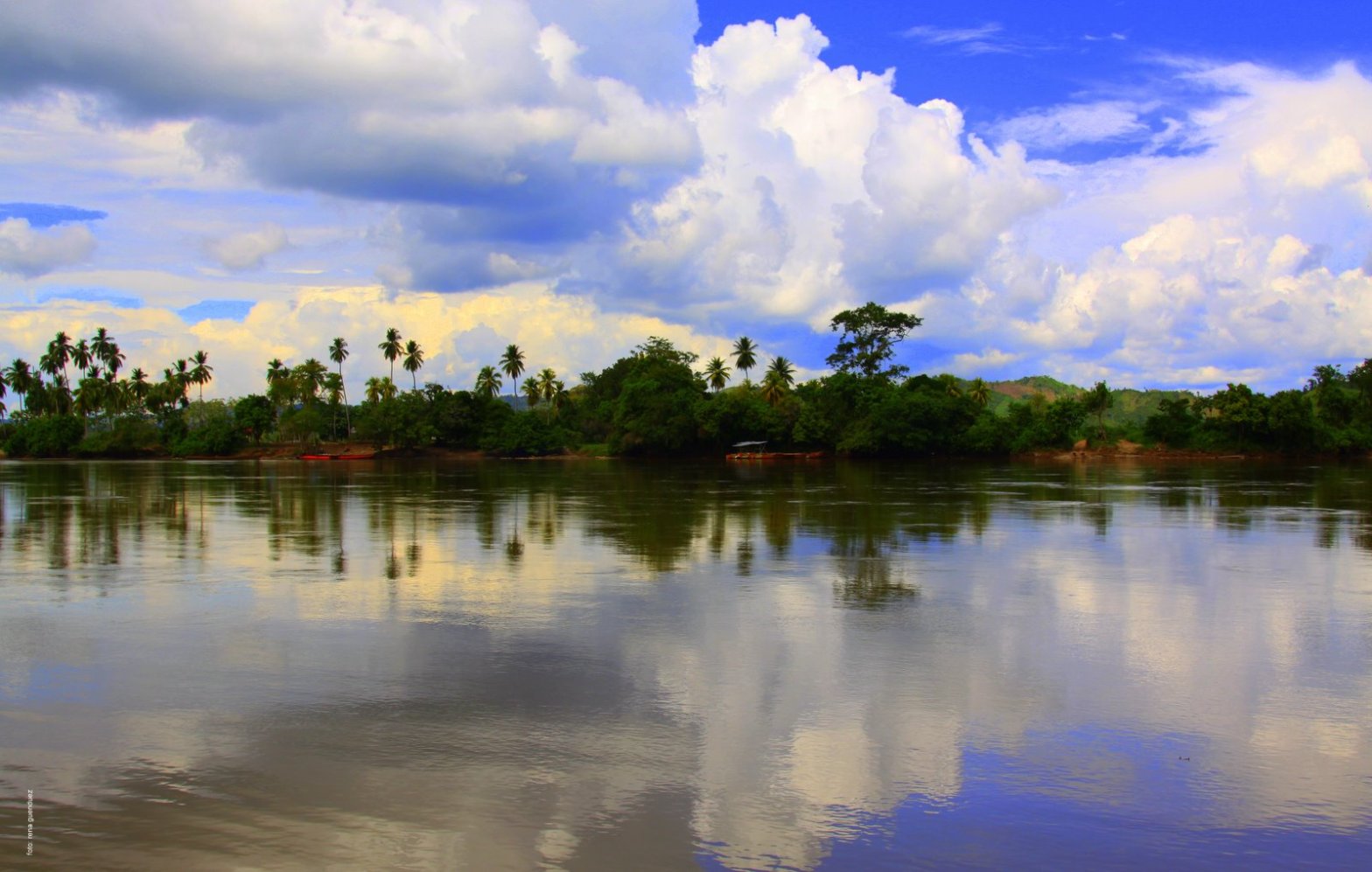
Legend has it that the winding, twisting waterways of the Huallaga are inhabited by a siren. So beautiful is she; that her skin glistens like the moonlight and her eyes lure fishermen to the sandy riverbanks where she sleeps. She is said to be the guardian of the river often resting along the sandy shores beckoning fishermen to come to her side. It is said that she has the power to glide over rough waves coming up for air as she weaves her slender body from shore to shore. She is not a mere mortal but an illusion. She transforms from time to time instilling respect in those who cross her path as she turns from siren into a boa. It is said she rises from the jungle floors to jungle rooftops to sit in her cosmic throne.
Yacumama is the goddess of the Huallaga. She is the mighty deity and it is her spiritual transformation that holds those who see her in awe and it she who dictates the path mere humans will have to follow.
The legend of Yacumama is all to familiar to those residing along the banks of the Huallaga. Today her story is still told, yet her hold on fishermen and communities alike has begun to fade. Such is life in the heart of the Amazon.
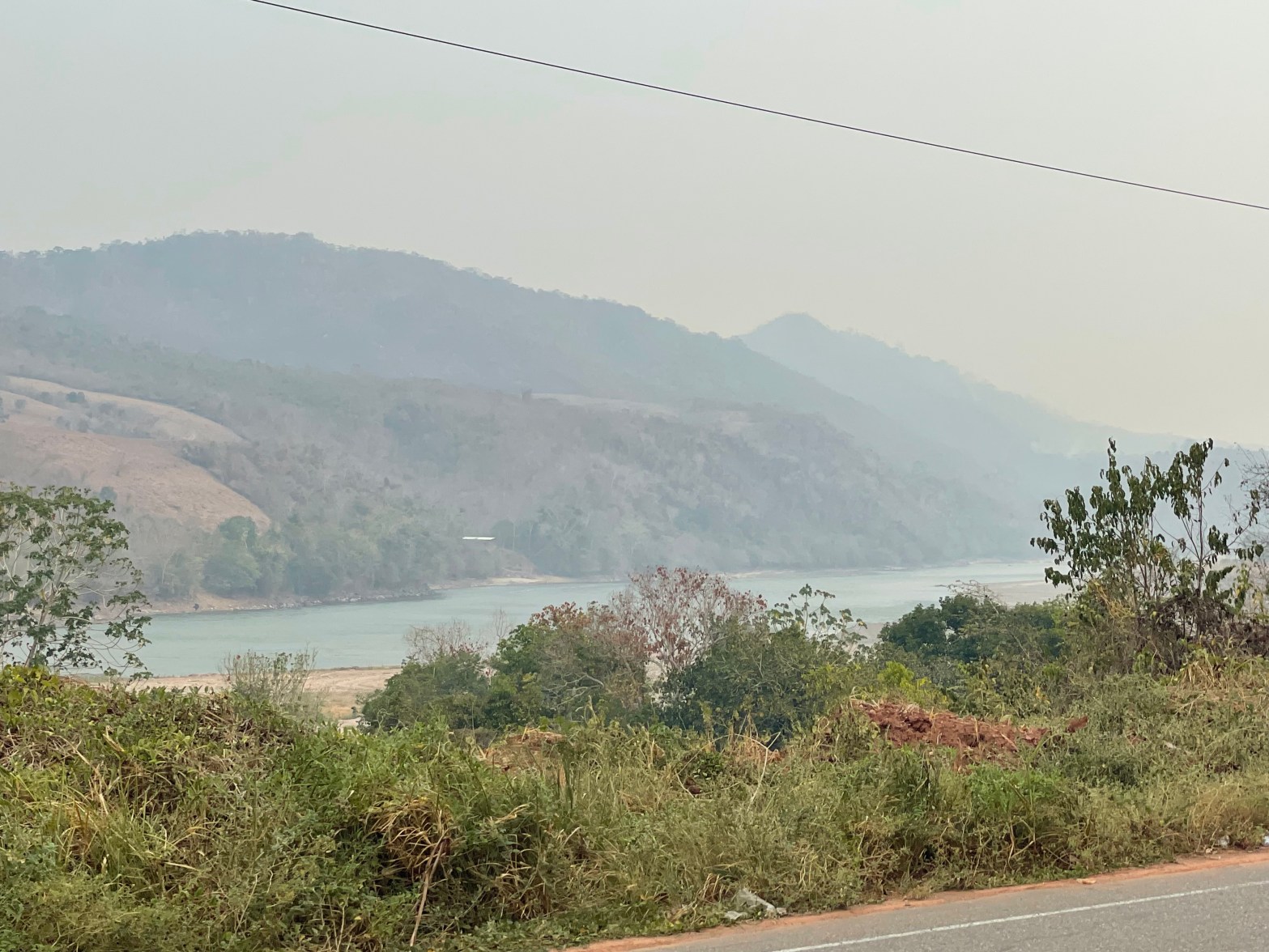
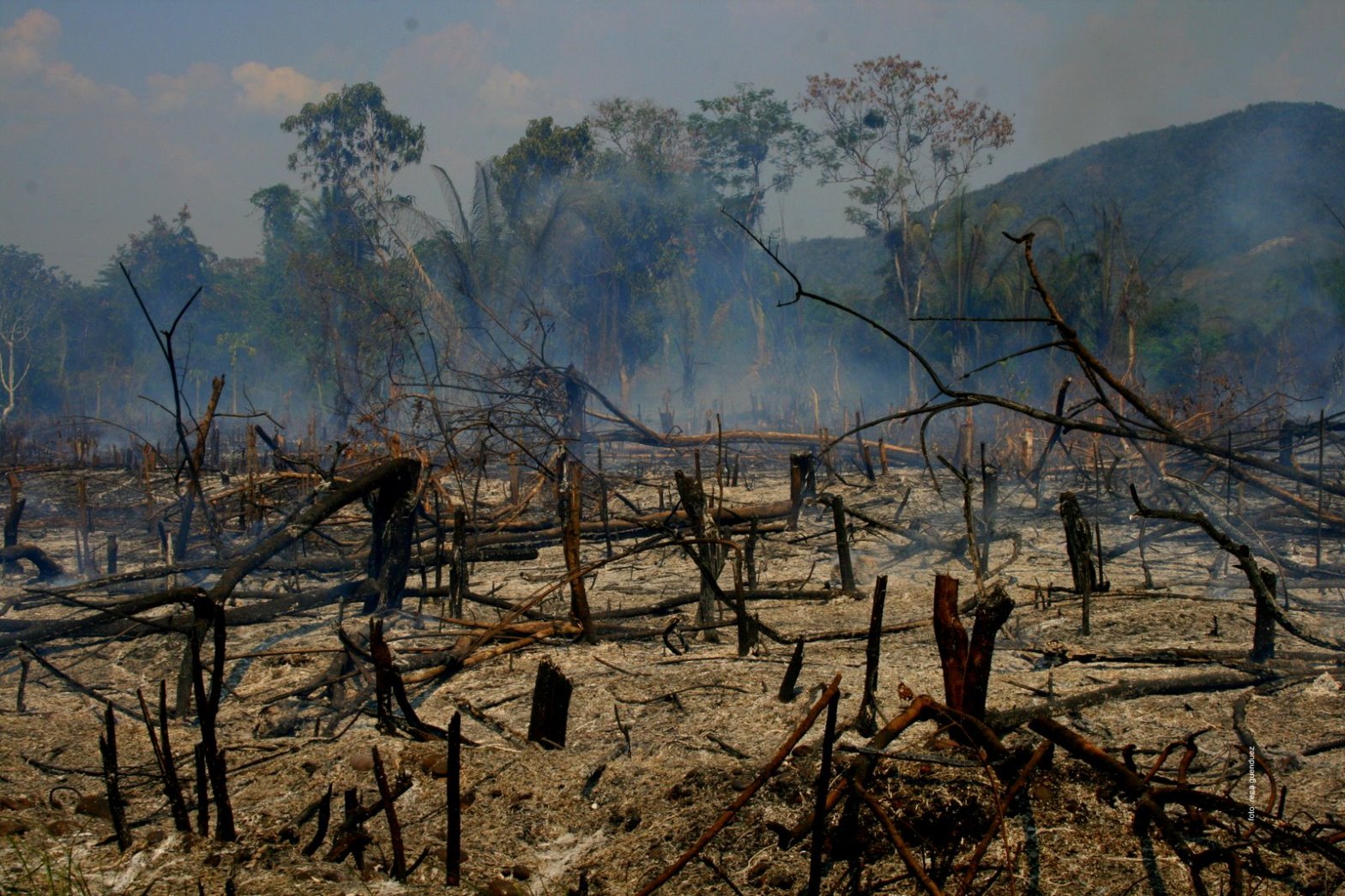
El río Huallaga y sus afluentes están enfrentando una situación crítica debido a una temporada seca en curso que ha provocado más de 150 incendios forestales en la región. Según SENAMHI, el río Huallaga está en alerta roja, ya que las estaciones hidrológicas en Tingo María, Puente Tocache, Picota y Lagunas reportan niveles de agua críticamente bajos, lo que hace imposible el transporte fluvial. Esta situación tiene impactos humanos y económicos significativos, así como repercusiones en la lucha contra los incendios a lo largo del sistema fluvial. Las temperaturas aumentadas, que superan los 40 grados Celsius, están agravando aún más la crisis.
The Huallaga River and its tributaries are currently facing a dire situation due to an ongoing dry season that has seen more than 150 forest fires ravage the region. According to SENAMHI, the Huallaga River is at a red alert as hydrological stations in Tingo Maria, Puente Tocache, Picota, and Lagunas reporting critically low water levels, making river transport impossible. This situation has significant human and economic impacts, as well as repercussions for fighting the ongoing fires along the river system. Increased temperatures peaking beyond 40 degrees Celsius are further exacerbating the crisis.
Los impactos socioeconómicos de la crisis del río Huallaga son profundos. La incapacidad de transportar bienes a través del río ha interrumpido las economías locales, particularmente en las áreas rurales donde las comunidades dependen en gran medida del transporte fluvial para el comercio y el acceso a servicios esenciales. La minería no regulada de grava, arena y minerales, así como el cultivo agroindustrial a gran escala de arroz y papaya, han producido impactos acumulativos adicionales. Estos han llegado hasta la Amazonía de Perú y Brasil. La sequía con los incendios subsiguientes y el daño ambiental resultante también han afectado el turismo, que es una fuente vital de ingresos para muchas comunidades a lo largo del río.
The socio-economic impacts of the Huallaga River crisis are profound. The inability to transport goods via the river has disrupted local economies, particularly in rural areas where communities rely heavily on river transport for trade and access to essential services. The unregulated gravel, sand, mineral mining as well as large agroindustrial rice and papaya growing has produced further cumulative impacts. These have reached as far as Peru and Brazils Amazon. The drought with ensuing fires and subsequent environmental damage have also affected tourism, which is a vital source of income for many communities along the river.
En respuesta a esta crisis, Tierra Selva se ha unido con Juan Jun EcoRaises, un grupo de voluntarios dedicados que participan activamente en esfuerzos de reforestación. EcoRaises ha estado plantando árboles y plántulas para restaurar la cobertura forestal perdida y mitigar el impacto ambiental de los incendios. Esta colaboración tiene como objetivo acelerar el proceso de recuperación y asegurar la sostenibilidad a largo plazo de la región.
In response to this crisis, Tierra Selva has joined forces with the Juan Jui EcoRaises a group, a dedicated volunteer team actively engaged in reforestation efforts. EcoRaises has been planting trees and seedlings to restore the lost forest cover and mitigate the environmental impact of the fires. This collaboration aims to accelerate the recovery process and ensure the long-term sustainability of the region.
The BBC produced this video in 2023, during what has now become an era of drought, forest fires and socio-economic impacts that might not see a recovery in our lifetime. From the Peruvian Andean jungle region to the lowlands. This video sums up the devastation facing our corner world and global biosphere. Thank you to the BBC for shedding light on this important climate change issue and sharing our world with many.
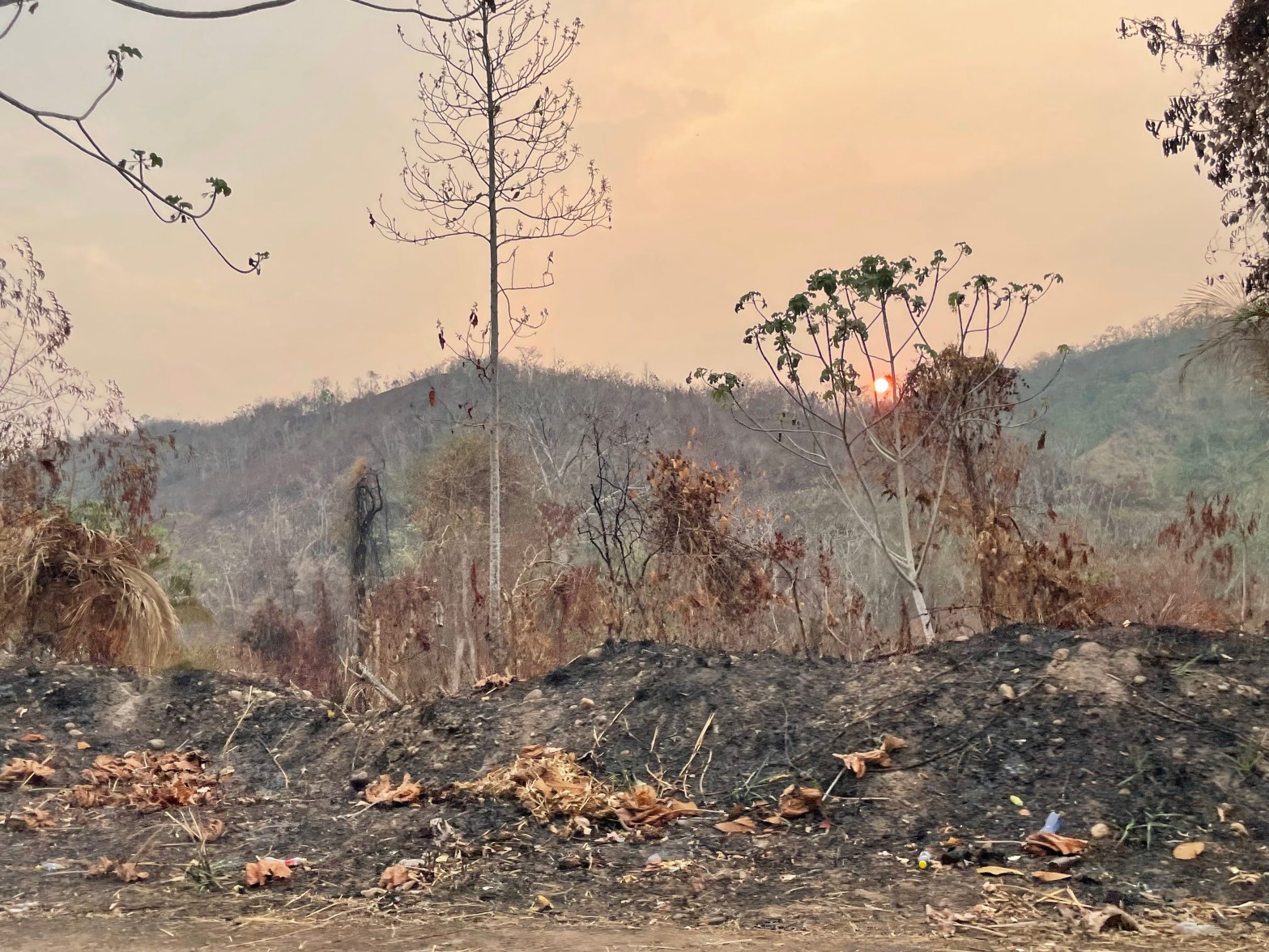
Today the Amazon is facing its most critical moment the as the “tipping point” has now tipped. Tierra Selva has been on the frontlines in San Martin, monitoring and documenting the growing number of uncontrolled wildfires and their ensuing impacts. As of September 11, 2024, 1,370.71 hectares of crops have been lost in the region, and another 1,100.86 hectares. This is excluding other departments such as Amazonas which have also been under severe threat. With a two-month drought period coupled with traditional agricultural slash and burn practices. As of Sunday September 15th the region has been battling some 10 giant blazes in the 10 provinces of San Martin, not including those that have been ongoing since June 2024.
Hoy la Amazonía enfrenta su momento más crítico ya que el “punto de inflexión” ha sido superado. Tierra Selva ha estado en primera línea en San Martín, monitoreando y documentando el creciente número de incendios forestales no controlados y sus consecuentes impactos. Hasta el 11 de septiembre de 2024, se han perdido 1,370.71 hectáreas de cultivos en la región, y otras 1,100.86 hectáreas. Esto sin incluir otros departamentos como Amazonas que también han estado bajo una grave amenaza. Con un período de sequía de dos meses junto con las prácticas agrícolas tradicionales de tala y quema. Hasta el domingo 15 de septiembre la región ha estado combatiendo unos 10 grandes incendios en las 10 provincias de San Martín.
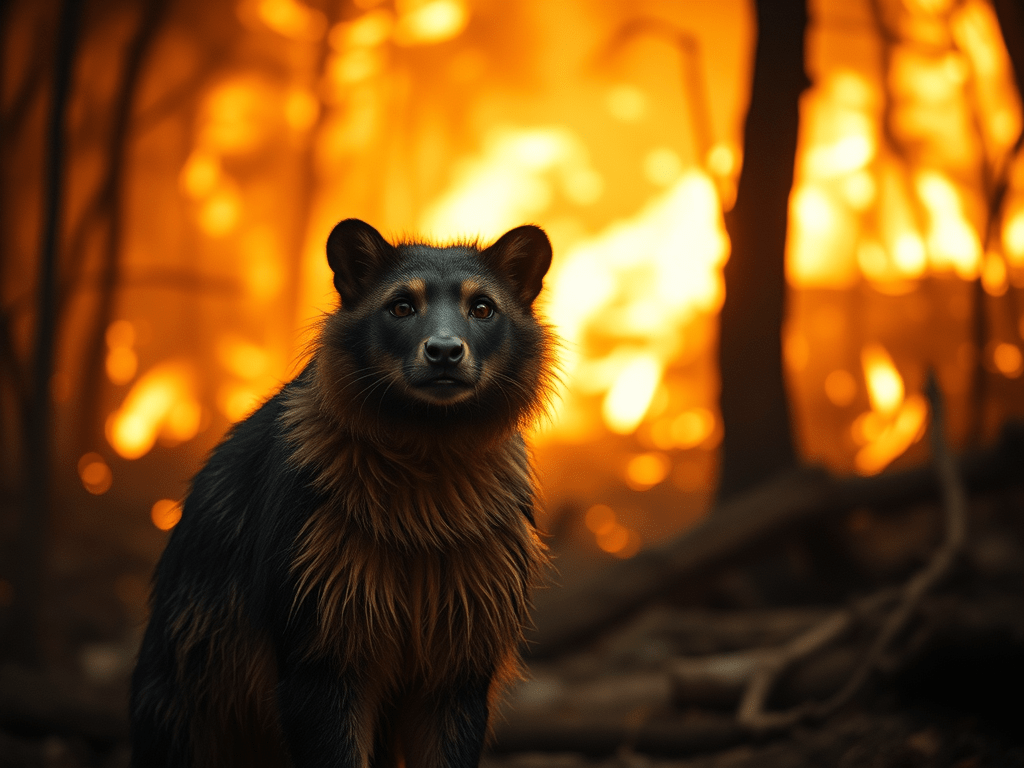
Currently, some 1,997.96 hectares of pristine rainforest has been lost to date and some 1,536.76 hectareshave been impacted in our region alone. This is the equivalent of more than 7,750 soccer fields that have been directly and indirectly impacted by these fires. Furthermore, some 533 hectares of cacao and coffee crops have been destroyed impacting local farmers and livelihoods. The devastation is beyond words as Peru’s biodiversity and ecosystems, flora and fauna are severely impacted. Temperatures have continued to rise to levels never seen before with some 43C degrees registered in places along the central Huallaga stretch. Air quality has diminished at levels never seen before such as the Index of Air Quality (Indices de Calidad del Aire (ICA) has reached a high of 51 and is expected to reach 66 during the next several days.
Actualmente, se han perdido aproximadamente 1,997.96 hectáreas de selva tropical virgen y 1,536.76 hectáreas han sido afectadas solo en nuestra región. Esto equivale a más de 7,750 campos de fútbol que han sido directa e indirectamente impactados por estos incendios. Además, se han destruido 533 hectáreas de cultivos de cacao y café, afectando a los agricultores locales y sus medios de vida. La devastación es indescriptible, ya que la biodiversidad y los ecosistemas de Perú, su flora y fauna, están gravemente afectados. Las temperaturas han seguido aumentando a niveles nunca antes vistos, con algunos lugares a lo largo del tramo central del Huallaga registrando 43°C. La calidad del aire ha disminuido a niveles nunca antes vistos, como el Índice de Calidad del Aire (ICA) que ha alcanzado un máximo de 51 y se espera que llegue a 66 durante los próximos días.
The region is in a critical state of emergency, yet the lack of an adequate response from the central government has worsened the crisis, and the local community is on constant alert. Water scarcity due to the dry conditions have further exacerbated the control of wildfires as the mighty Huallaga has reached its lowest point in a decade, with tributary rivers also running dry. The region is also suffering from poor water management and conservation efforts impacting community and fire-fighting conditions, as water restrictions are in effect. This has made firefighting efforts even more challenging.
La región está en un estado crítico de emergencia, pero la falta de una respuesta adecuada por parte del gobierno central ha empeorado la crisis, y la comunidad local está en alerta constante. La escasez de agua debido a las condiciones secas ha exacerbado aún más el control de los incendios forestales, ya que el poderoso Huallaga ha alcanzado su nivel más bajo en una década, con los ríos tributarios también secos. La región también sufre de una mala gestión y conservación del agua, lo que afecta las condiciones de la comunidad y la lucha contra incendios, ya que las restricciones de agua están en vigor. Esto ha hecho que los esfuerzos de extinción de incendios sean aún más desafiantes
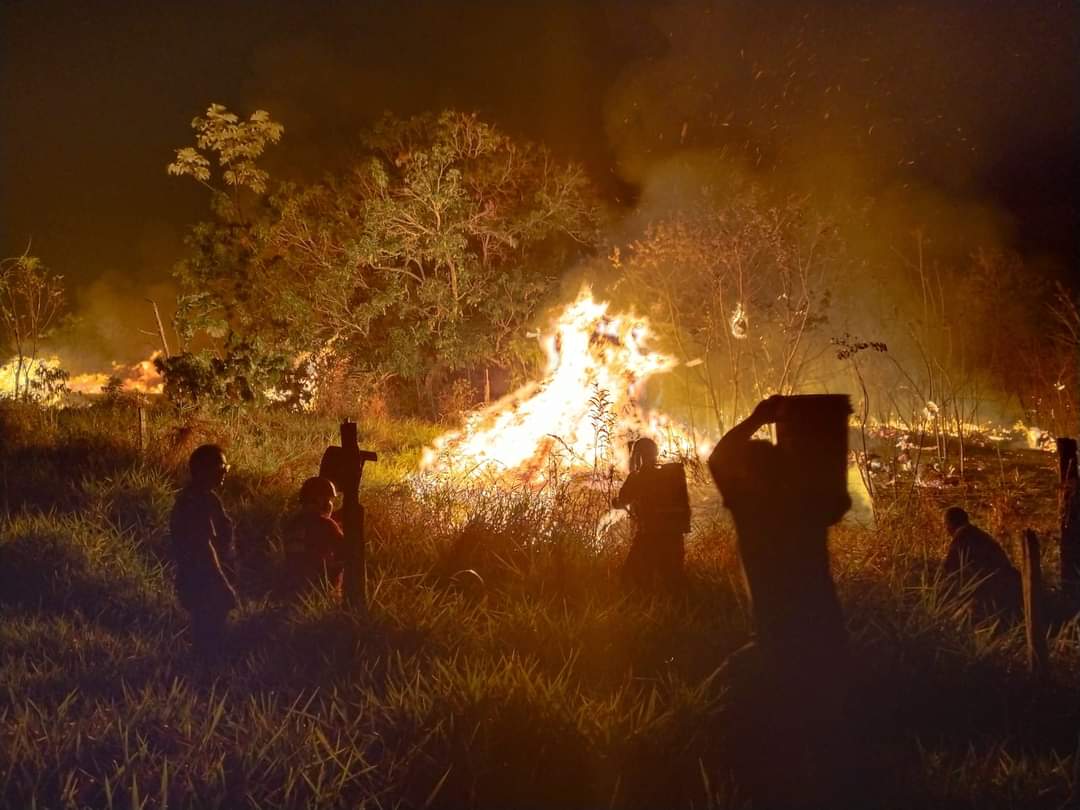
Overall firefighting efforts have seen local communities fend for themselves with limited to no equipment provided, using personal buckets, backpack or handheld sprayers as well as shovels and even palm branches. Volunteer firefighters are also lacking adequate equipment. The regional government has been quoted by townspeople as being inadequately prepared by leaving the firefighting to community members, ronderos, and local municipalities to deal with the blazes.
All are ill equipped to manage and contain these giant fires. It is clear that emergency preparedness needs to be addressed by all government, industry and communities and civil society organizations.
En general, los esfuerzos de extinción de incendios han visto a las comunidades locales valerse por sí mismas con poco o ningún equipo proporcionado, utilizando cubos personales, pulverizadores de mochila o de mano, así como palas e incluso ramas de palma. Los bomberos voluntarios también carecen de equipo adecuado. Los habitantes de los pueblos han citado al gobierno regional como inadecuadamente preparado, dejando la extinción de incendios a los miembros de la comunidad, ronderos y municipios locales para lidiar con los incendios. Todos están mal equipados para manejar y contener estos incendios gigantes. Está claro que la preparación para emergencias necesita ser abordada por todos los gobiernos, la industria, las comunidades y las organizaciones de la sociedad civil.
Tierra Selva will continue to provide updates on this crisis.
Celebrando el Día de la Tierra 2024: Abrazando los Pulmones de Nuestro Planeta en la Amazonía Peruana / Celebrating Earth Day 2024: Embracing the Lungs of Our Planet in Peru’s Amazon
As the sun rises on April 22, 2024, the lush canopy of Peru’s Amazon awakens to the harmonious symphony of biodiversity. This Earth Day, we turn our focus to the heart of our planet’s largest rainforest, a treasure trove of ecological wonders and the cradle of indigenous cultures that have thrived in harmony with nature for millennia. In the spirit of Earth Day, communities across the region will come together to reaffirm their commitment to preserving this invaluable ecosystem. From the vibrant city of Iquitos to the remote villages that dot the riverbanks, a series of events will unfold, each echoing the global call to protect our natural heritage.
A medida que el sol se levanta el 22 de abril de 2024, el exuberante dosel de la Amazonía peruana despierta a la armoniosa sinfonía de la biodiversidad. Este Día de la Tierra, dirigimos nuestra atención al corazón del bosque lluvioso más grande de nuestro planeta, un tesoro de maravillas ecológicas y cuna de culturas indígenas que han prosperado en armonía con la naturaleza durante milenios.
Tree Plantations: A Seed for the Future Local organizations are spearheading tree-planting initiatives, inviting volunteers to plant saplings that will grow into the future guardians of the forest. Each tree planted is a living testament to our dedication to the environment and a step towards combating climate change.
Plantaciones de Árboles: Una Semilla para el Futuro Organizaciones locales están liderando iniciativas de plantación de árboles, invitando a voluntarios a plantar plántulas que crecerán como futuros guardianes del bosque. Cada árbol plantado es un testimonio vivo de nuestra dedicación al medio ambiente y un paso hacia la lucha contra el cambio climático.
Cultural Celebrations: Honoring Ancestral Wisdom Indigenous communities will share their ancestral wisdom through storytelling, dance, and music, reminding us of the deep connection between humans and the Earth. These cultural festivities not only celebrate the Amazon’s rich heritage but also highlight the importance of indigenous knowledge in conservation efforts.
Celebraciones Culturales: Honrando la Sabiduría Ancestral Las comunidades indígenas compartirán su sabiduría ancestral a través de la narración de cuentos, la danza y la música, recordándonos la profunda conexión entre los humanos y la Tierra. Estas festividades culturales no solo celebran la rica herencia del Amazonas, sino que también destacan la importancia del conocimiento indígena en los esfuerzos de conservación.
Educational Workshops: Learning to Coexist: Educational workshops will offer insights into sustainable living practices that can be adopted to reduce our ecological footprint. Experts and environmentalists will lead discussions on topics ranging from renewable energy to wildlife conservation, empowering participants with knowledge to make a difference.
Talleres Educativos: Aprendiendo a Coexistir Los talleres educativos ofrecerán conocimientos sobre prácticas de vida sostenibles que se pueden adoptar para reducir nuestra huella ecológica. Expertos y ambientalistas liderarán discusiones sobre temas que van desde la energía renovable hasta la conservación de la vida silvestre, empoderando a los participantes con el conocimiento para marcar la diferencia.
As we celebrate Earth Day in Peru’s Amazon, let us remember that every action counts. Whether it’s planting a tree, learning from indigenous cultures, or simply spreading the word, we all have a role to play in preserving the lungs of our planet. On this day, and every day, let’s keep an eye open and work together to ensure a sustainable future for generations to come
Al celebrar el Día de la Tierra en la Amazonía peruana, recordemos que cada acción cuenta. Ya sea plantando un árbol, aprendiendo de las culturas indígenas o simplemente difundiendo el mensaje, todos tenemos un papel que desempeñar en la preservación de los pulmones de nuestro planeta. En este día, y todos los días, mantengamos un ojo abierto y trabajemos juntos para asegurar un futuro sostenible para las generaciones venideras.
REFLECTIONS OF THE RAINFOREST: ART AND ADVOCACY FROM PERU’S AMAZON
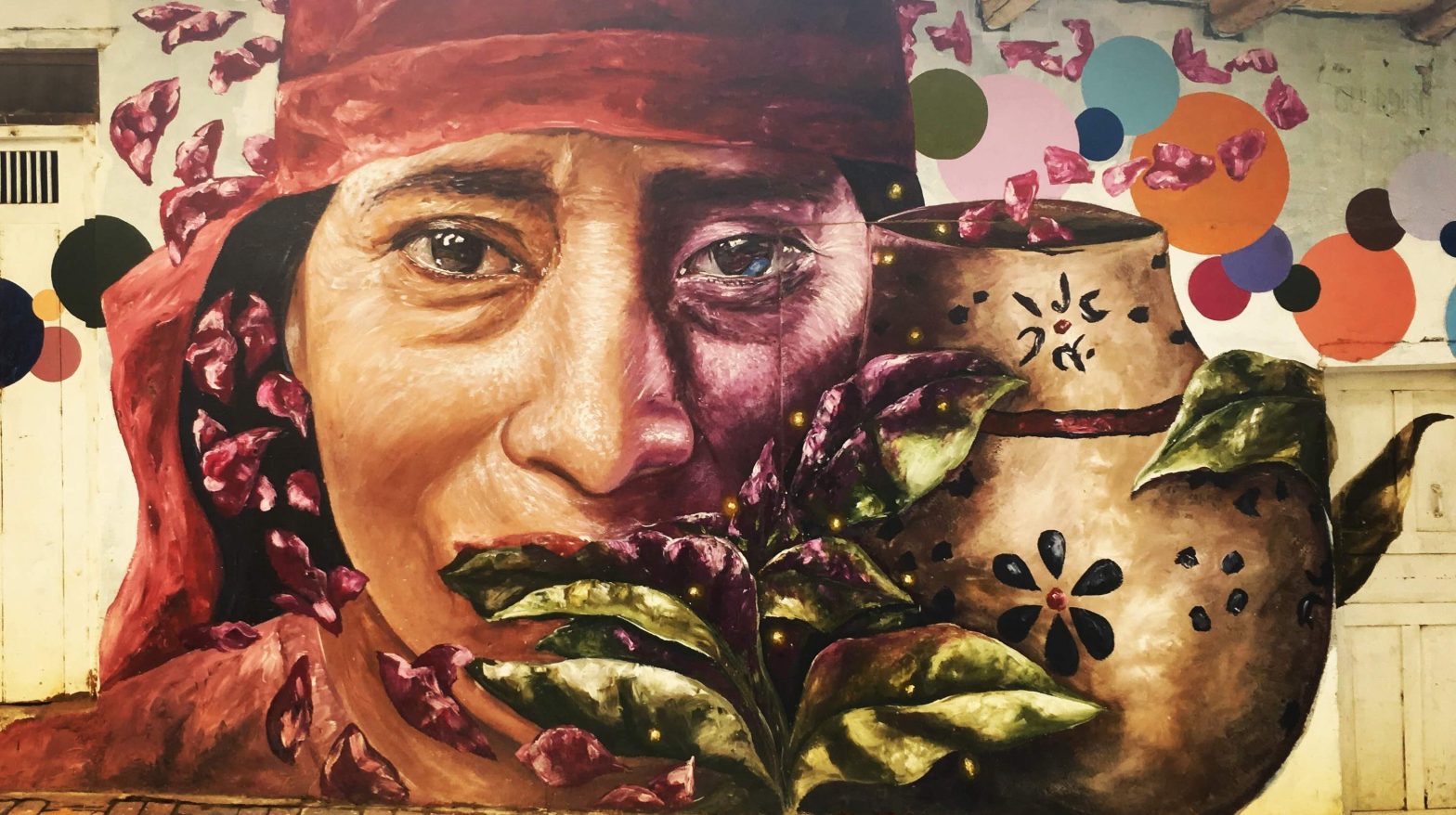
“Reflections of the Rainforest: Art and Advocacy from Peru’s Amazon” is a captivating art exhibit that brings together a stunning collection of paintings and photographs from the heart of Peru’s Amazon. The exhibit, organized in collaboration with the non-governmental organization Tierra Selva, aims to shed light on the profound impacts of global climate change on this vital ecosystem and its communities and spiritual cosmos.
The exhibit features a diverse range of Peruvian artworks, each telling a unique story of the Amazon’s rich biodiversity, the indigenous communities that call it home, and the threats they face due to climate change. The paintings, with their vibrant colors and intricate details, capture the lush beauty of life in the rainforest, while the photographs provide a stark, unfiltered look at the realities of a region in transition.
Tierra Selva is a Peruvian non-governmental organization known for its commitment to environmental conservation and sustainable development playing a crucial role in local conservation efforts and awareness raising for the local communities that reside in its rich tapestry and those dependent on its survival.
In the face of global climate change, “Reflections of the Rainforest” serves as a powerful reminder of what we stand to lose if we do not act. It invites viewers to not only appreciate the aesthetic value of the art but also to reflect on our collective responsibility to protect our planet’s precious ecosystems. For more information about Tierra Selva and their work, please visit their website www.tierraselva.com and the Norphei Mongolian Art Gallery at gantugsbaatar75@gmail.com.
As we bid farewell to another remarkable year, the team at Tierra Selva extends warm wishes and heartfelt gratitude for your unwavering support in our mission to protect and conserve the Amazon rainforest.
The past year has been filled with challenges and triumphs, and through it all, your commitment to the preservation of this vital ecosystem has been a beacon of hope. Your contributions, both big and small, have played a significant role in our efforts to safeguard the rich biodiversity, indigenous cultures, and irreplaceable natural wonders that the Amazon generously bestows upon our planet.
In 2023, together, we achieved remarkable milestones in our conservation initiatives. From reforestation projects to community engagement programs, every step forward has been a testament to the collective strength of our global community united in the cause of environmental stewardship.
As we stand on the threshold of a new year, let’s carry the spirit of optimism and determination into 2024. The challenges ahead may be great, but so is our resolve to protect the Amazon rainforest. With your continued support, we look forward to implementing innovative conservation strategies, forging partnerships, and making a lasting impact on the future of this precious ecosystem.
May the New Year bring joy, prosperity, and renewed dedication to our shared vision of a sustainable and thriving Amazon. Together, let’s make 2024 a year of positive change for our planet.
Wishing you and your loved ones a Happy New Year filled with hope, love, and the promise of a greener tomorrow.
In the midst of the 28th annual United Nations Climate Change Conference (COP28) held in Dubai from November 30 to December 12, 2023, the international community united once again to tackle the pressing issue of global climate change. With a key focus on limiting global temperature rises to 1.5°C, the conference emphasized urgent measures to transition to clean energy, facilitate financial support for climate action in developing nations, and achieve the most inclusive participation to date.
One country deeply entrenched in environmental challenges is Peru, home to the second-largest portion of the Amazon rainforest. Facing rampant deforestation, Peru experienced unprecedented loss, with an estimated 26,000 km² disappearing over the past two decades. In the San Martin department of Peru, specifically in Moyobamba, there was a significant loss of tree cover. In 2010, Moyobamba had 352 thousand hectares (kha) of tree cover, extending over 93% of its land area. However, in 2022, it lost 3.58 kha of tree cover, equivalent to 1.76 Mt of CO₂ emissions lost . The whole region has been grappling with illegal deforestation and environmental crimes, including exploitation by criminal groups seeking monetary gains and power. Tragically, this has led to several Peruvian environmentalist advocating for the Amazon losing their lives in the pursuit of environmental justice.
At COP28, Peru took significant steps to address its environmental challenges and contribute to global climate action. The country played a pivotal role in the signing of the declaration titled “A promise for nature and well-being for climate action” and inked a memorandum of understanding with Italy to promote climate action. These actions underscore Peru’s commitment to combating environmental degradation and aligning with global efforts to combat climate change.
The COP28 conference concluded with a groundbreaking call for a worldwide transition away from fossil fuels, emphasizing the urgency of adopting sustainable energy sources. This aligns with Tierra Selva’s mission, further emphasizing the need for a global shift towards eco-friendly practices.
In summary, the intersection of COP28 and the environmental challenges faced by Peru, particularly in the Amazon, highlights the critical role played by nations and advocacy groups like Tierra Selva in addressing climate change. The urgent need for international collaboration, policy reform, and sustainable practices has never been clearer. Tierra Selva’s ongoing efforts underscore the importance of grassroots initiatives in contributing to a sustainable future for our planet.
Tierra Selva, an environmental advocacy group rooted in Peru, has been at the forefront of the fight against climate change. Through various activities and programs, Tierra Selva has actively worked to mitigate deforestation, promote sustainable practices, and raise awareness about the critical importance of preserving biodiversity. The group’s dedication to environmental stewardship aligns with the international community’s call for collective action in the face of climate challenges.
Look for us at the next cop which will be hosted in Brazil.
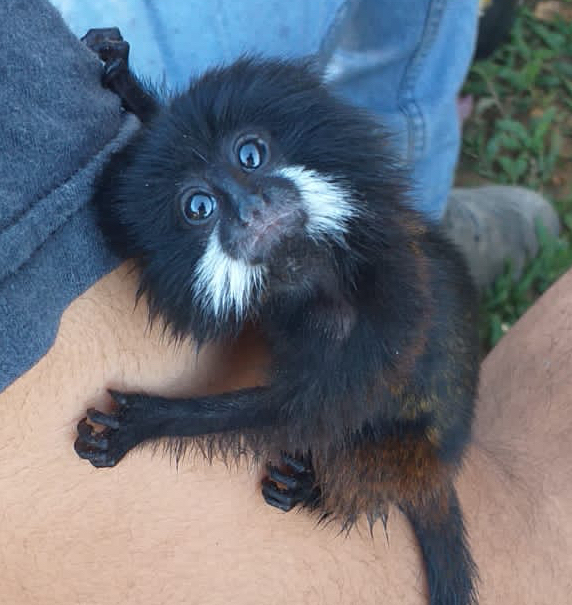
The Tamarin Monkey is a small and colorful primate that lives in the Amazon rainforest. It is one of the most endangered animals in the world, facing many threats from human activities. Some of these threats are habitat destruction, hunting, illegal trade, and climate change. These factors reduce the population and diversity of tamarins, and put them at risk of extinction.
How can we help the tamarins survive and thrive in their natural environment? Rena Guenduez Tierra Selva’s technical advisor states “One way is to educate people, especially young people, about the importance of conservation. Many people who live near the tamarins’ habitat do not know much about them, or how their actions affect them. They may not be aware of the laws that protect the tamarins, or the benefits that they bring to the ecosystem. By teaching them about the tamarins, we can raise their awareness and appreciation of these amazing animals”.
Tierra Selva is an organization that works to protect the tamarins and their habitat. One of their programs is called Eco Warriers, which involves engaging with youth and education. They visit schools and communities near the tamarins’ habitat, and share information and activities about the tamarins. They also invite students to visit their conservation center, where they can see and interact with the tamarins. Through this program, they hope to inspire young people to become advocates for the tamarins, and to take action to conserve them. This youth program is run by Kevin Panduro who has been actively involved in wildlife conservation.
The Tamarin Monkey is a precious part of our planet’s biodiversity. It deserves our respect and care. By educating ourselves and others about the tamarins, we can make a difference in their future.
Here are some facts
This Tamarin Monkey is native to Central and South America and is one of the smallest pygmy monkey species. This monkey has a life span of 12-15 years, weighs between 220 to 900 grams and eats tropical fruits. They have long tails and sharp claws and can move between tree branches up to 24 miles per hour, making them extremely quick. They have a range of vocal calls and female tamarins are noted to give brith to fraternal twins. Most often they live in groups of 3 to 40 members, and all participate in the raising of the young.
San Martin has experienced notable rates of deforestation due to various factors, including agricultural expansion, illegal logging, and infrastructure development. According to statistics, between 2001 and 2018, San Martin lost approximately 1.2 million hectares of forest cover, representing a significant impact on the region’s biodiversity and ecosystem services.
To combat deforestation and promote sustainable land use practices, local organizations like tierra selva have been actively involved in capacity building initiatives. Tierra Selva, has played a vital role in raising awareness about the importance of forests, training local communities in sustainable farming techniques, planting trees, and providing alternative livelihood options.
These capacity building programs aim to empower local farmers to adopt agroforestry practices, promote reforestation efforts, and establish community-led forest management systems. By focusing on education, training, and sustainable development, Tierra Selva is playing a role towards mitigating deforestation and promoting the conservation of the unique ecosystems in and around the Province of Lamas.
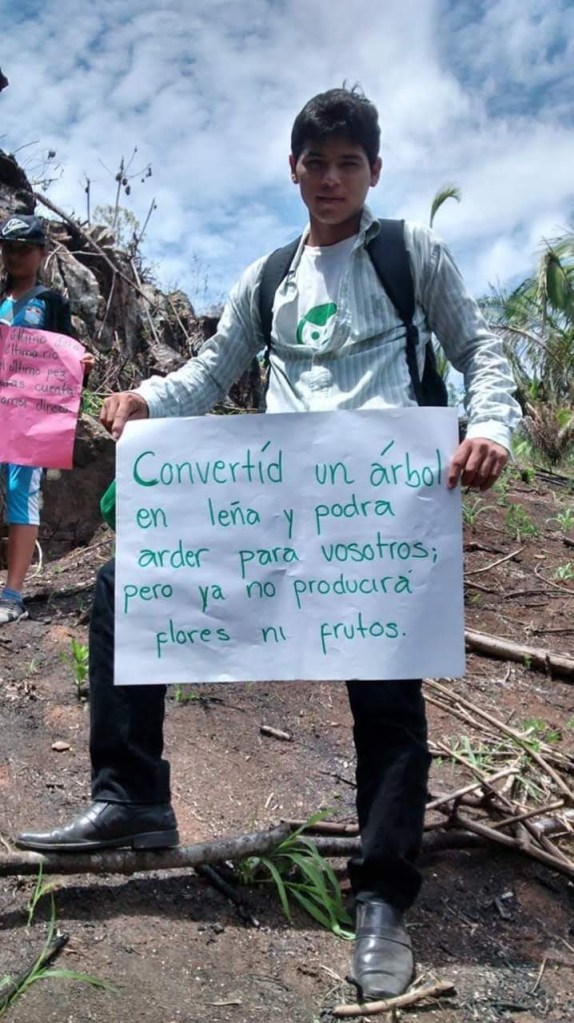
Our Eco Warriors continue to advocate for reforestation.
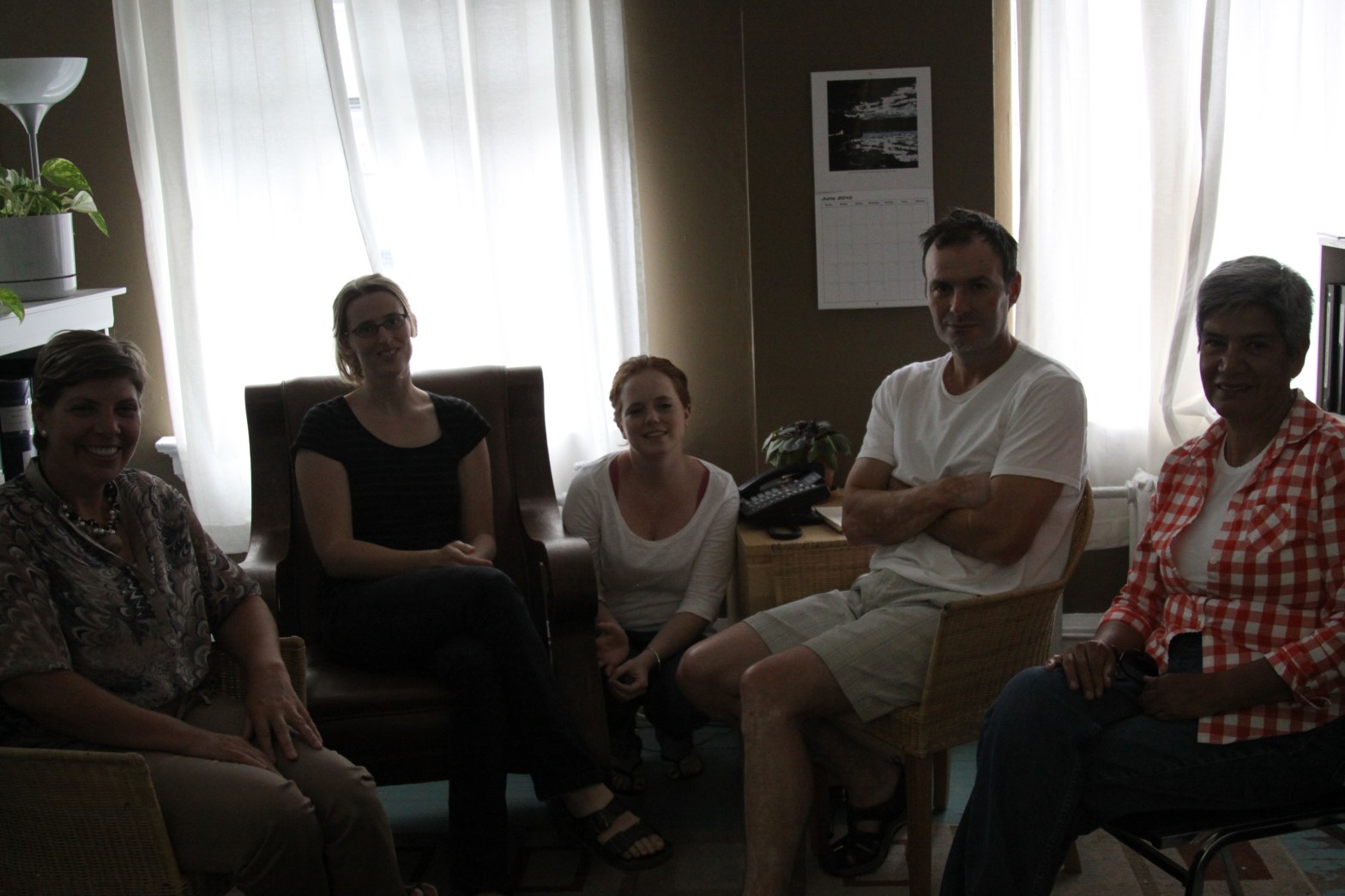
2011 – Lake Ontario Waterkeeper is a prominent environmental organization dedicated to protecting and preserving the health of Lake Ontario and its surrounding waters. Their main mission is to ensure swimmable, drinkable, and fishable water for future generations. By conducting research, monitoring water quality, and advocating for stronger environmental regulations, they work tirelessly to safeguard the lake’s ecosystem. Recently, Lake Ontario Waterkeeper had the privilege of hosting a delegation from the Central Huallaga Riverkeepers. This visit provided an opportunity for the Central Huallaga Riverkeepers to learn about the activities and methods employed by Lake Ontario Waterkeeper in their conservation and advocacy efforts. Despite being located in different parts of the world, the two organizations share commonalities in their commitment to water protection, community engagement, and the use of science-based approaches to address environmental challenges. The exchange of knowledge and experiences between Lake Ontario Waterkeeper and Central Huallaga Riverkeepers exemplifies the importance of global collaboration in the pursuit of preserving our planet’s precious water resources.
A visit to Mark Matteson and his team at the downtown Toronto, Ontario.





 tierraselva